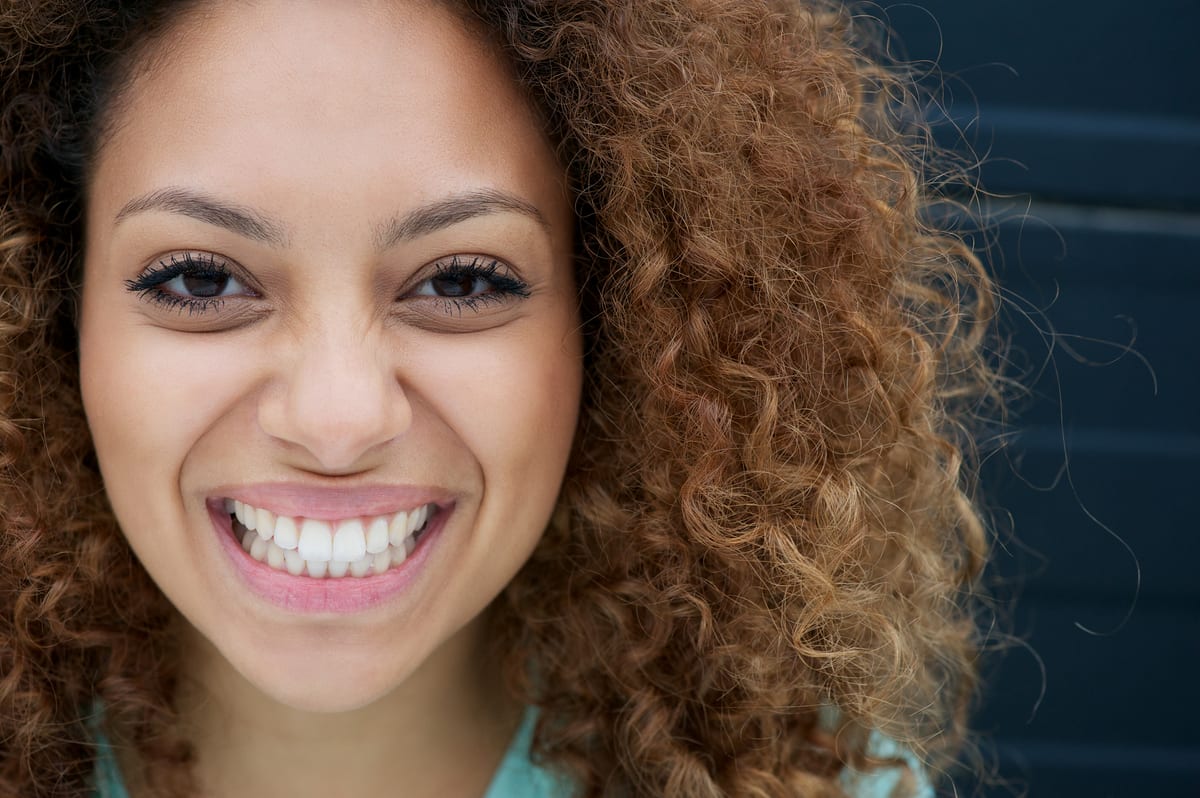
If you've ever caught yourself hiding your smile in photos or feeling self-conscious about chipped, stained, or misaligned teeth, you've probably wondered: what is a smile makeover, and could it change things for me? Simply put, a smile makeover is a personalised combination of cosmetic dental treatments designed to improve the overall appearance of your smile. It's not a single procedure — it's a carefully crafted treatment plan that addresses your unique concerns, from discolouration and gaps to missing or broken teeth. In 2026, advances in digital smile design and minimally invasive techniques make a stunning smile more accessible than ever before.
What Does a Smile Makeover Actually Include?
A smile makeover is entirely bespoke. Your cosmetic dentist will evaluate the colour, shape, size, alignment, and symmetry of your teeth — along with your gum line, facial structure, and even skin tone — before recommending a treatment plan. No two smile makeovers are identical, which is exactly what makes them so effective.
Common procedures bundled into a smile transformation include:
- Teeth whitening — Professional in-office whitening can brighten teeth by up to 8–10 shades in a single session.
- Porcelain veneers — Ultra-thin shells bonded to the front of teeth to correct shape, colour, and minor misalignment.
- Dental bonding — A cost-effective resin applied to chips, cracks, or gaps, often completed in one visit.
- Invisalign or clear aligners — Discreet orthodontic treatment to straighten teeth without metal braces.
- Gum contouring — Reshaping the gum line to create a more balanced, symmetrical smile.
- Dental crowns or implants — Restorative elements included when structural repair is also needed.
How Is a Smile Makeover Different from a Full Mouth Reconstruction?
This is a common point of confusion. A smile makeover is primarily cosmetic — it's driven by your aesthetic goals. A full mouth reconstruction, on the other hand, is medically necessary and focuses on restoring oral health, bite function, and structure. That said, the two can overlap. If you have significant decay or missing teeth alongside cosmetic concerns, your dentist may recommend combining elements of both. Always ask your provider which category your treatment plan falls into so you understand what your insurance may or may not cover.
Who Is a Good Candidate for a Smile Makeover?
Most adults in good general oral health are candidates for some form of cosmetic smile enhancement. You're likely a strong candidate if you experience one or more of the following:
- Yellowed, stained, or discoloured teeth that don't respond to over-the-counter whitening
- Chipped, cracked, or worn-down teeth
- Gaps or spaces between teeth
- Mildly crooked or misaligned teeth
- A "gummy" smile or uneven gum line
- Missing teeth affecting your confidence or bite
If you have active gum disease, significant decay, or uncontrolled teeth grinding (bruxism), your dentist will typically address those issues first before beginning any cosmetic work. Think of it as preparing a canvas before painting.
Age and Smile Makeovers: Is There a Right Time?
There's no universal "right age," but most cosmetic dentists recommend waiting until your mid-to-late teens at the earliest, once adult teeth are fully developed. In 2026, smile makeovers are increasingly popular among adults aged 30–55 who want to refresh their appearance, as well as among older adults seeking to reverse decades of wear. The key is a thorough consultation — not your age — that determines readiness.
How Much Does a Smile Makeover Cost in 2026?
Cost is one of the first questions people ask, and understandably so. Because a smile makeover is customised, pricing varies widely. Here's a realistic breakdown of average U.S. costs in 2026:
- Professional teeth whitening: $300–$800 per session
- Porcelain veneers: $1,000–$2,500 per tooth
- Dental bonding: $300–$600 per tooth
- Invisalign: $3,000–$8,000 for a full treatment
- Gum contouring: $200–$3,000 depending on extent
- Full smile makeover packages: $5,000–$30,000+
Many practices now offer dental financing through providers like CareCredit or Sunbit, making monthly payments a practical option. It's also worth noting that some restorative components (like crowns or implants) may be partially covered by dental insurance, even if the cosmetic elements are not. Always request an itemised treatment plan so you know exactly what you're paying for.
How to Find Affordable Cosmetic Dentistry Without Sacrificing Quality
Affordability and quality are not mutually exclusive. Here's how to get the best value:
- Compare multiple consultations. Many cosmetic dentists offer free or low-cost initial consultations — use them.
- Ask about phased treatment. You don't have to complete everything at once. Prioritise procedures that deliver the most visible impact first.
- Check credentials. Look for dentists with memberships in the American Academy of Cosmetic Dentistry (AACD) or who have documented smile makeover portfolios.
- Use a trusted directory. Platforms that vet and rank cosmetic dentists by skill and patient reviews save you hours of guesswork.
What Is the Smile Makeover Process Step by Step?
Understanding the journey from first consultation to final reveal helps set realistic expectations. Here's what a typical smile makeover process looks like in 2026:
Step 1 — Consultation and Digital Smile Design
Your first appointment involves a comprehensive exam, X-rays, and photographs. Many leading cosmetic dentists now use Digital Smile Design (DSD) software to show you a preview of your results before any treatment begins. You'll discuss your goals, timeline, and budget, and your dentist will outline a phased or combined treatment plan.
Step 2 — Preparatory Treatments
If needed, any existing decay, gum issues, or old failing restorations are addressed first. This phase ensures the foundation for your cosmetic work is solid and long-lasting.
Step 3 — Cosmetic Procedures
Treatments are carried out in a logical sequence — typically whitening first, followed by orthodontics (if applicable), then veneers, bonding, or other restorative work. Depending on the complexity of your plan, this phase can take anywhere from a single afternoon to 12–18 months.
Step 4 — Final Reveal and Aftercare
Once complete, your dentist will review the final results and provide a tailored aftercare plan. This usually includes guidance on maintenance whitening, retainer use (if aligners were part of your plan), and scheduling regular hygiene visits to protect your investment.
Frequently Asked Questions
How long does a smile makeover last?
Longevity depends on the procedures involved. Porcelain veneers typically last 10–20 years with proper care. Dental bonding may need touch-ups every 5–7 years. Teeth whitening results last 1–3 years depending on diet and lifestyle habits. Invisalign results are permanent as long as you wear your retainer as instructed. The better you maintain your oral hygiene and avoid staining foods or habits like smoking, the longer your results will last.
Is a smile makeover painful?
Most patients report minimal discomfort. Procedures like teeth whitening and dental bonding are virtually painless. Veneers require light enamel removal, which is done under local anaesthetic. Any post-procedure sensitivity is typically mild and short-lived. Modern techniques and sedation dentistry options make even more complex treatments very manageable for anxious patients.
Can a smile makeover fix crooked teeth?
Yes — but the approach depends on the severity of misalignment. Mild crookedness is often addressed with porcelain veneers or dental bonding for a quick cosmetic fix. Moderate to significant misalignment is best corrected with Invisalign or clear aligners, which move teeth into proper position over time. Your cosmetic dentist will recommend the most appropriate — and most durable — solution for your specific case.
Will my smile makeover look natural?
Absolutely, when performed by a skilled cosmetic dentist. Modern porcelain materials mimic the light-reflecting properties of natural enamel, and experienced clinicians customise shade, shape, and translucency to complement your face. The goal is a smile that looks like the best version of you — not an obviously artificial result. Reviewing a dentist's before-and-after portfolio before committing is the best way to assess their aesthetic sensibility.
Does insurance cover smile makeovers?
Traditional dental insurance typically does not cover purely cosmetic procedures like veneers or whitening. However, if your makeover includes restorative elements — such as crowns, implants, or treatment for gum disease — those portions may qualify for partial coverage. Always verify benefits with your insurer before treatment begins, and ask your dental office for an itemised pre-authorisation to submit.
How do I choose the right cosmetic dentist for my smile makeover?
Look for a dentist with verifiable cosmetic training, an extensive before-and-after portfolio, strong patient reviews, and transparent pricing. AACD accreditation is a gold-standard credential to watch for. It's also important to feel comfortable during your consultation — a great cosmetic dentist listens carefully to your goals rather than pushing a one-size-fits-all solution. Getting two or three opinions before committing is always a smart move.
Ready to Start Your Smile Transformation?
A smile makeover can be one of the most confidence-boosting investments you'll ever make — not just in your appearance, but in how you feel day to day. Whether you're considering a subtle refresh with whitening and bonding, or a comprehensive transformation with veneers and aligners, the right cosmetic dentist will help you build a plan that fits your goals and your budget. The first step is finding a qualified, trusted professional in your area. Visit Top5CosmeticDentist.com to browse vetted cosmetic dentists near you, compare treatments, and take the first step toward the smile you've always wanted — in 2026 and beyond.