If you've ever stared at a tube of whitening toothpaste and wondered whether your dental plan could cover something more powerful, you're not alone. One of the most common questions we hear is: does insurance cover teeth whitening? The short answer is almost always no — but the full picture is more nuanced than that, and knowing the details can save you real money. Whether you're eyeing professional in-office treatment or a dentist-dispensed take-home kit, this 2026 guide breaks down exactly what your plan covers, what it doesn't, and what smart alternatives exist for achieving a noticeably brighter smile without breaking the bank.
Why Dental Insurance Typically Doesn't Cover Teeth Whitening
Dental insurance in the United States is designed around a simple principle: necessity over aesthetics. Most plans follow a tiered coverage model that prioritises preventive care (cleanings, X-rays), basic restorative work (fillings, extractions), and major restorative procedures (crowns, root canals). Cosmetic treatments — procedures performed purely to improve appearance rather than oral health — are almost universally excluded.
Teeth whitening falls squarely into the cosmetic category. Because tooth discolouration is not considered a medical condition that compromises the function or structural integrity of your teeth, insurers classify whitening as elective. In 2026, this remains the standard position across virtually every major carrier, including Delta Dental, Cigna, Aetna, MetLife, and Humana.
The "Cosmetic vs. Medically Necessary" Distinction
The line between cosmetic and medically necessary treatment is the core reason does insurance cover teeth whitening returns such a consistent "no." For a procedure to qualify for coverage, insurers typically require clinical documentation that it restores health, prevents disease, or repairs damage caused by injury or illness. Whitening does none of those things in the eyes of an underwriter. Even if your dentist strongly recommends it for confidence or psychological well-being, that recommendation alone won't unlock coverage.
Are There Any Exceptions?
Rarely — but they exist. Some employer-sponsored premium dental plans include a small cosmetic allowance (typically $100–$200 per year) that can be applied toward whitening. Certain dental HMO plans offered through large corporations or union benefits packages occasionally list take-home whitening kits as a discounted benefit rather than a covered service. If you're unsure, call the member services number on your insurance card and ask specifically: "Does my current plan include any cosmetic or whitening benefits?" Always request the answer in writing.
What Dental Insurance Does Cover (That Can Help Your Smile)
While the answer to does insurance cover teeth whitening is almost always no, there are legitimate covered services that contribute to a brighter, healthier-looking smile.
Preventive Cleanings and Polishing
Most PPO dental plans cover two professional cleanings per year at 100%. During these appointments, dental hygienists use polishing pastes that remove surface stains from coffee, tea, red wine, and tobacco — producing a modest but real brightening effect at zero out-of-pocket cost to you. This isn't whitening in the clinical sense, but it's a valuable and completely covered starting point.
Composite Bonding and Porcelain Veneers
If your discolouration is caused by trauma, fluorosis, or enamel defects, some insurers will partially cover composite dental bonding under restorative benefits — typically at 50–80% after your deductible. Porcelain veneers are almost always excluded, but it's worth asking your dentist to code the procedure correctly if there's a functional component. A reputable cosmetic dentist can help you understand which procedures may qualify.
How Much Does Professional Teeth Whitening Cost in 2026?
Understanding out-of-pocket costs helps you plan realistically. In 2026, average pricing across the United States breaks down roughly as follows:
- In-office laser or light-activated whitening (e.g., Zoom, LumiWhite): $400–$800 per session
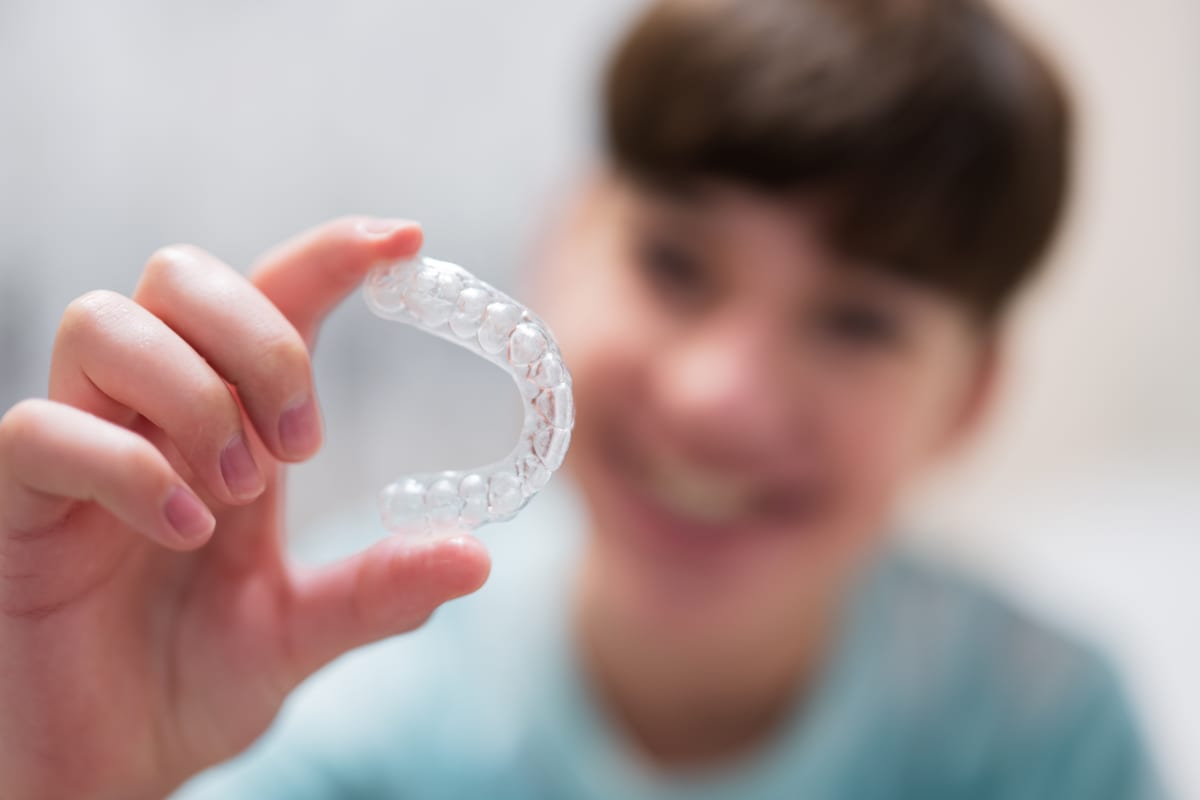
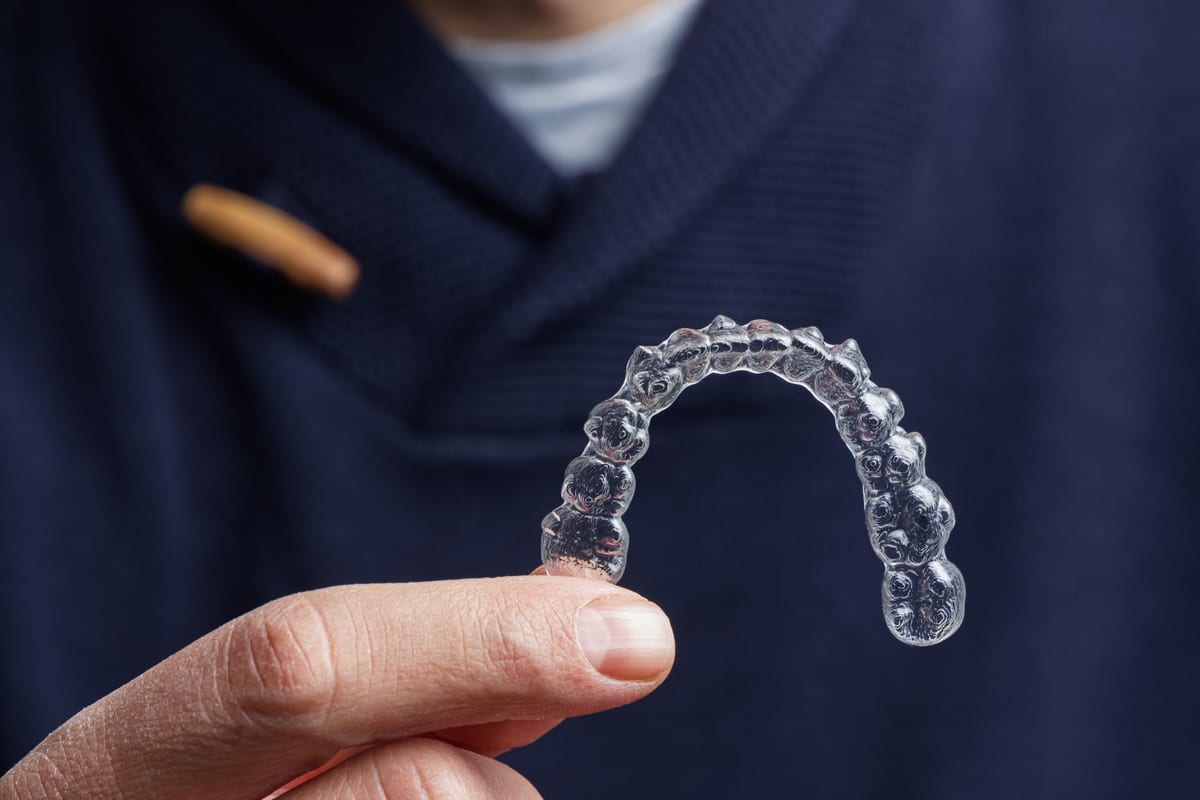
- Dentist-dispensed take-home trays with custom moulds: $200–$450
- Over-the-counter whitening strips (pharmacy-grade): $25–$75 per kit
- Whitening toothpaste (daily maintenance): $8–$20
Professional in-office treatment produces the most dramatic results — typically 6 to 10 shades lighter in a single 60–90 minute appointment — but it also carries the highest price tag. Take-home trays from your dentist use stronger peroxide concentrations than OTC products and deliver results over 10–14 days. For many patients, a combination approach (one in-office session followed by maintenance trays) offers the best long-term value.
Does a Flexible Spending Account (FSA) or HSA Cover Whitening?
This is where things get interesting. Flexible Spending Accounts (FSAs) and Health Savings Accounts (HSAs) generally do not cover cosmetic teeth whitening either, since the IRS applies the same "medically necessary" standard to these accounts. Attempting to use FSA/HSA funds for purely cosmetic whitening is considered a non-qualified expense and could result in taxes and penalties. However, if whitening is performed as part of a treatment plan following a documented medical or dental condition — say, after orthodontic treatment or trauma repair — your dentist may be able to provide supporting documentation. Always consult your FSA/HSA administrator before spending.
Smart Ways to Afford Teeth Whitening Without Insurance
Since does insurance cover teeth whitening reliably answers no, savvy patients use alternative strategies to manage the cost.
Dental Discount Plans
Unlike traditional insurance, dental discount plans (sometimes called dental savings plans) are membership programmes that give you access to reduced fees at participating dentists. Many plans in 2026 include 20–50% discounts on cosmetic procedures including whitening. Plans like Careington, Aetna Dental Access, and Cigna Dental Savings typically cost $80–$200 per year for an individual — far less than a year of unused insurance premiums.
In-House Membership Plans
Many private dental practices now offer their own in-house membership plans, which bundle preventive care with discounts on elective services. These are especially popular with uninsured patients and can include whitening kits as a perk. Ask your dentist's front desk if they offer a membership option — you may be surprised by the savings.
Promotional Offers and Smile Makeover Packages
Cosmetic dental offices frequently run promotional pricing on whitening, especially when bundled with other services like veneers or Invisalign. If you're already investing in a full smile makeover, negotiating whitening as part of the package can significantly reduce the per-service cost. Prices for bundled smile makeover packages in 2026 range from $1,500 to $5,000+ depending on the scope of treatment, but many practices offer financing through CareCredit or Lending Club at 0% interest for 12–18 months.
Choosing the Right Whitening Treatment for Your Situation
Not all tooth discolouration responds equally to whitening. Extrinsic stains — those caused by food, drinks, and tobacco sitting on the enamel surface — respond very well to peroxide-based treatments. Intrinsic stains — those embedded within the tooth structure due to tetracycline antibiotics, fluorosis, or aging — are much harder to treat with whitening alone and may require veneers or bonding for optimal results.
Before investing in any whitening treatment, schedule a consultation with a qualified cosmetic dentist. They'll assess the nature of your staining, check for cavities or gum disease that must be treated first, and recommend the most effective and cost-efficient approach for your specific smile.
Frequently Asked Questions
Does insurance cover teeth whitening under any circumstances?
In almost all cases, no. Standard dental PPO, HMO, and indemnity plans classify teeth whitening as a cosmetic procedure and exclude it from coverage. The only potential exceptions are rare employer-sponsored plans with a small cosmetic allowance, or situations where whitening is part of a broader medically documented treatment plan. Always verify directly with your insurer.
Can I use my FSA or HSA to pay for whitening?
Generally no. The IRS treats cosmetic whitening as a non-qualified medical expense, meaning FSA and HSA funds cannot be used without risking taxes and penalties. If your dentist can document a clinical reason for the treatment, check with your plan administrator before proceeding.
How long do professional whitening results last?
In-office professional whitening results typically last 12–24 months with proper maintenance. Results fade faster if you regularly consume staining foods and beverages (coffee, red wine, berries) or use tobacco. Using a dentist-prescribed take-home maintenance kit every 3–6 months significantly extends results.
Is over-the-counter whitening as effective as professional treatment?
OTC whitening strips and gels use lower concentrations of hydrogen peroxide (typically 3–10%) compared to professional products (up to 35–40%). They can produce noticeable improvements for mild surface staining, but they won't match the speed or degree of change achieved with in-office treatment. For stubborn or deep staining, professional whitening is significantly more effective.
What's the difference between whitening and veneers for a brighter smile?
Whitening chemically lightens the natural colour of your existing tooth enamel. Veneers are ultra-thin porcelain or composite shells bonded over the front surface of teeth to change both colour and shape simultaneously. Veneers are permanent, more expensive ($900–$2,500 per tooth in 2026), and ideal for patients who also want to correct chips, gaps, or uneven teeth alongside discolouration.
How do I find a reputable cosmetic dentist for whitening?
Look for a dentist with specific cosmetic dentistry training, before-and-after galleries, and verified patient reviews. Board affiliation with the American Academy of Cosmetic Dentistry (AACD) is a strong credibility marker. Comparing multiple dentists before committing helps ensure you receive both quality results and fair pricing.
Conclusion
The question of does insurance cover teeth whitening has a frustratingly consistent answer — but that doesn't mean a dazzling smile is out of reach. With professional in-office treatments, dentist-dispensed take-home kits, dental discount plans, and flexible financing options all available in 2026, there are more affordable pathways to whiter teeth than ever before. The key is working with a qualified cosmetic dentist who can match the right treatment to your specific staining, budget, and lifestyle goals. Ready to find a trusted cosmetic dentist near you and explore your whitening options? Visit Top5CosmeticDentist.com to compare top-rated cosmetic dentists in your area and take the first step toward a smile you'll be proud to show off.