If you've been putting off that smile makeover because of cost concerns, you're not alone. A stunning set of porcelain veneers, a full set of Invisalign aligners, or even professional teeth whitening can feel out of reach — but cosmetic dentistry financing has expanded dramatically in 2026, giving patients more flexible, affordable pathways than ever before. From dental-specific credit lines to surprising insurance workarounds, this guide breaks down every option so you can walk into your dentist's office with a plan — and walk out with the smile you've always wanted.
Does Dental Insurance Cover Cosmetic Dentistry?
The honest answer is: sometimes, partially, and only if you know how to ask. Standard dental insurance plans classify most cosmetic procedures — veneers, whitening, bonding for aesthetics — as elective, meaning they're typically excluded from coverage. However, the line between "cosmetic" and "medically necessary" is blurrier than insurers like to admit, and savvy patients can use that to their advantage.
When Insurance Will (Partially) Pay
Several common cosmetic procedures have functional counterparts that insurers do cover. For example:
- Dental bonding applied to a chipped or structurally compromised tooth may be covered as a restorative procedure, even if the aesthetic result is a bonus.
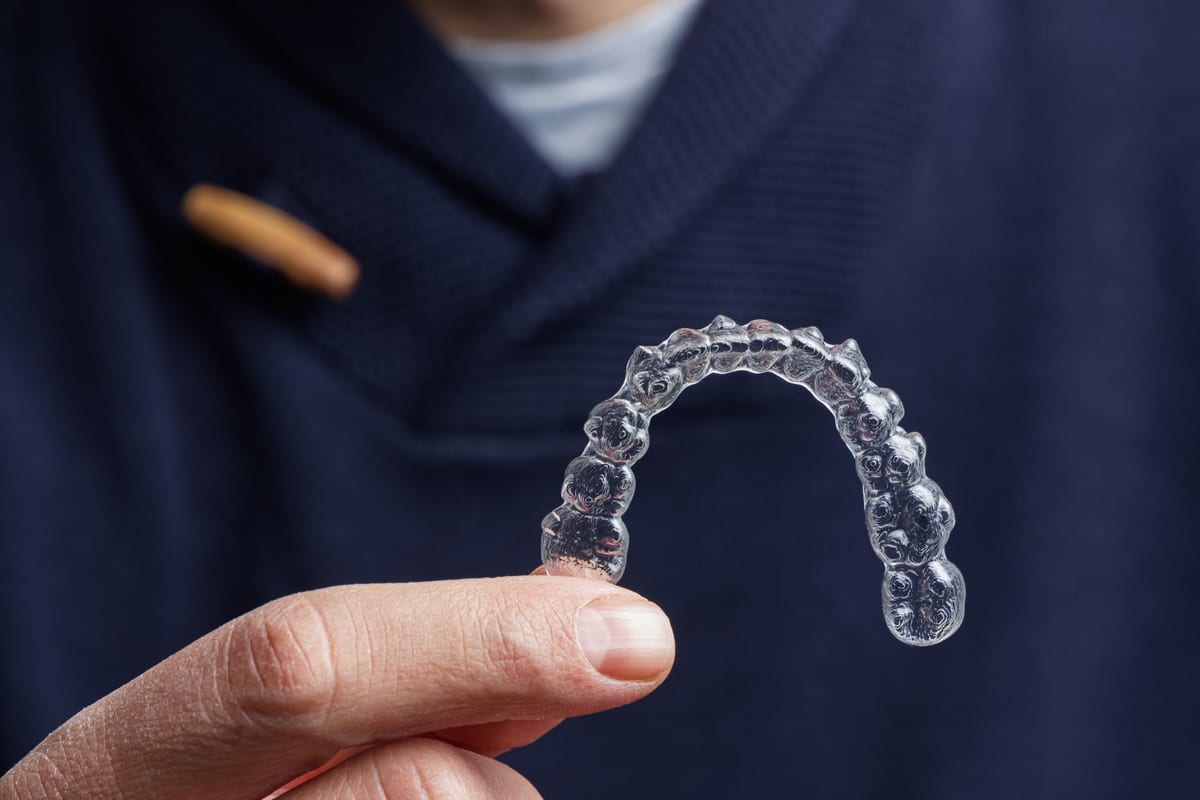
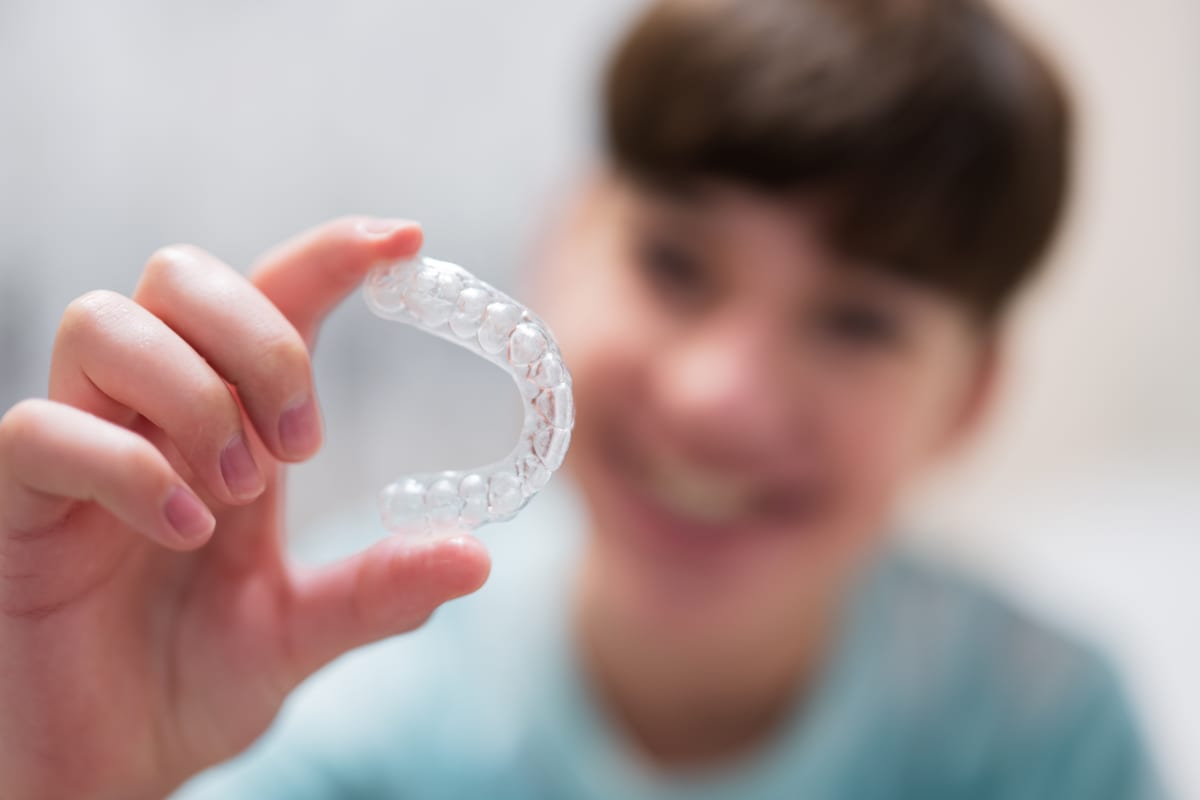
- Invisalign or clear aligners are often covered under orthodontic benefits — many plans contribute $1,000–$2,000 toward aligner treatment regardless of the brand.
- Porcelain crowns placed over damaged teeth can qualify for restorative coverage, even when the motivation is cosmetic improvement.
- Gum contouring tied to periodontal disease treatment may be partially reimbursed under a medical dental rider.
The key tactic: ask your cosmetic dentist to code your treatment accurately and document the functional need. This isn't gaming the system — it's making sure your legitimate dental health needs are properly represented.
How to Maximise Your Insurance Before Spending Out-of-Pocket
Before committing to any out-of-pocket financing, do these three things. First, request a pre-authorisation letter from your insurer for every planned procedure — this tells you exactly what will and won't be covered before treatment begins. Second, check whether your plan has a rollover benefit; many PPO plans in 2026 allow unused annual maximums (typically $1,000–$2,000) to carry over to the next year, letting you strategically time treatment across two plan years. Third, review your employer's Flexible Spending Account (FSA) or Health Savings Account (HSA) — both can be used tax-free for many dental procedures, effectively giving you a 22–37% discount depending on your tax bracket.
Dental-Specific Financing Plans: CareCredit and Competitors
When insurance falls short — and for purely cosmetic work, it often does — dedicated dental financing fills the gap. These are credit products designed specifically for healthcare expenses, and they come with terms you won't find on a standard credit card.
CareCredit: The Market Leader
CareCredit remains the most widely accepted dental financing card in the U.S., accepted at over 260,000 provider locations. In 2026, their most popular offer is a 0% APR promotional period of 6 to 24 months for balances over $200. The catch — and it's an important one — is deferred interest: if you don't pay the full balance before the promotional period ends, interest is backdated to your original purchase date at rates as high as 29.99% APR. The strategy is simple: divide your treatment cost by the number of promotional months and pay that amount every single month without fail.
Lending Club Patient Solutions and Alphaeon Credit
Two strong CareCredit alternatives worth comparing in 2026 are LendingClub Patient Solutions (formerly known as Springstone) and Alphaeon Credit. LendingClub offers fixed-rate instalment loans — not deferred interest — with APRs ranging from 5.99% to 29.99% depending on creditworthiness, and loan terms up to 60 months. This is a safer structure for larger smile makeovers costing $5,000 or more. Alphaeon Credit, popular at cosmetic dental and aesthetic practices, offers promotional periods similar to CareCredit but with higher credit limits, making it suitable for comprehensive treatment plans.
In-House Payment Plans Directly Through Your Dentist
Many cosmetic dental practices — particularly private boutique offices — now offer their own in-house financing, cutting out third-party lenders entirely. These arrangements are worth asking about, especially if your credit history isn't perfect or you want to avoid a hard credit inquiry.
What In-House Plans Typically Look Like
In-house dental payment plans in 2026 vary widely but often follow one of two models. The first is a split-pay arrangement: you pay 50% upfront and the remaining 50% over three to six months, usually with no interest. The second is a membership plan: for an annual fee of around $200–$400, you receive two preventive visits, discounts on restorative work, and reduced rates on cosmetic procedures — effectively a DIY insurance substitute. These membership plans have grown significantly among uninsured and underinsured patients and can reduce cosmetic procedure costs by 15–20%.
Personal Loans and 0% Purchase Credit Cards
Standard financial products can also be powerful tools for funding dental work, particularly when you have good credit (a FICO score of 670 or above).
Personal Loans for Larger Smile Investments
For comprehensive treatments like a full smile makeover — which can range from $8,000 to $30,000+ in 2026 — a personal loan from a bank, credit union, or online lender like SoFi or Marcus by Goldman Sachs can offer competitive fixed APRs (currently averaging 11–14% for well-qualified borrowers) and predictable monthly payments over 24–84 months. Unlike deferred-interest healthcare credit cards, there are no surprise backdated charges. Credit unions in particular often offer members preferential rates and lower origination fees.
0% Purchase APR Credit Cards
If your cosmetic dental treatment costs under $5,000 and you're confident you can pay it off within 12–21 months, a 0% introductory APR credit card (such as those offered by Chase, Citi, or Wells Fargo) is essentially a free loan. Many of these cards also offer a sign-up bonus worth $200–$500 in cash back or travel points — a small but welcome reward for a necessary expense. Set up automatic payments for the minimum balance and an additional fixed amount to ensure the full balance is cleared before the 0% window closes.
Strategies to Reduce Out-of-Pocket Costs Before Financing
Financing is most powerful when you've already minimised the total amount you need to borrow. A few smart tactics can significantly reduce your starting balance.
- Get multiple quotes: Cosmetic dental pricing varies significantly by geography and practice. A set of veneers that costs $2,500 per tooth in Manhattan may cost $1,200 per tooth in a suburban practice 30 miles away with identical credentials.
- Prioritise your treatment: Work with your dentist to stage your smile makeover across multiple plan years to maximise annual insurance benefits each time.
- Dental schools: Accredited dental school clinics perform cosmetic procedures at 40–60% below market rates under the supervision of experienced faculty dentists.
- Negotiate: Ask your dentist directly if there's a discount for paying in full upfront or for bundling multiple procedures — many practices will offer 5–10% off for cash or same-day payments.
Frequently Asked Questions
Is cosmetic dentistry financing hard to get approved for?
Not necessarily. Products like CareCredit accept applicants with credit scores as low as 620, and some in-house dental plans require no credit check at all. If you have excellent credit (720+), you'll qualify for the best terms across all financing types. Even with fair credit, there are workable options — a co-signer or a smaller initial treatment scope can help you get started.
Can I use my HSA or FSA to pay for cosmetic dental work?
HSA and FSA funds can be used for dental procedures that have a functional or medical component — such as bonding to repair a cracked tooth, crowns over damaged teeth, or orthodontic treatment. Purely aesthetic procedures like teeth whitening or veneers placed solely for cosmetic reasons are generally not HSA/FSA eligible. Always consult your plan administrator before spending to avoid a tax penalty.
What's the difference between deferred interest and true 0% APR?
This distinction is critical. True 0% APR (found on many consumer credit cards) means no interest accrues during the promotional period — if you have a balance remaining when it ends, you simply start accruing interest on that balance going forward. Deferred interest (common with CareCredit and similar healthcare cards) means interest accrues in the background the entire time and is charged retroactively if any balance remains at the period's end. Always read the fine print before signing.
How much does a full smile makeover cost in 2026?
Costs vary widely based on the procedures involved and your location. A basic smile refresh (whitening + bonding) might run $500–$1,500. A mid-range makeover involving four to six veneers could cost $5,000–$12,000. A comprehensive full-mouth reconstruction involving veneers, implants, and gum contouring can exceed $30,000. Financing helps spread these costs, but getting itemised quotes from multiple providers first is essential.
Will applying for dental financing hurt my credit score?
Most dental financing applications involve a hard credit inquiry, which can temporarily lower your score by 5–10 points. However, if you're rate-shopping personal loans, credit bureaus typically treat multiple inquiries within a 14–45 day window as a single inquiry. For CareCredit specifically, approval involves a hard pull, so apply only when you're ready to proceed with treatment.
Can I finance cosmetic dentistry with bad credit?
Yes, though your options narrow. In-house dental payment plans and dental membership plans require no credit check. Some medical lending companies specialise in subprime borrowers but charge higher interest rates. A secured personal loan (using savings as collateral) through your bank is another avenue. Improving your score by even 40–60 points before applying can meaningfully improve your terms — so if treatment timing is flexible, a few months of credit repair first may save you hundreds.
Conclusion
The smile you've been dreaming about doesn't have to wait for a windfall. With the right combination of insurance optimisation, dental-specific financing, strategic personal lending, and cost-reduction tactics, virtually any budget can be made to work for cosmetic dental treatment in 2026. The first step is finding a qualified, trusted cosmetic dentist who will partner with you on both the clinical and financial sides of your journey. For a curated list of top-rated cosmetic dentists near you — vetted for both quality and patient-friendly financing options — visit Top5CosmeticDentist.com and start building your plan today.