If you've been researching ways to fix a chipped tooth, close a small gap, or brighten an uneven smile without breaking the bank, you've likely come across dental bonding. Understanding the dental bonding cost before you sit in the chair is one of the smartest moves you can make as a patient. In 2026, prices have shifted slightly due to material improvements and increased demand for minimally invasive cosmetic procedures — but the good news is that bonding remains one of the most affordable smile-enhancement options available. This guide breaks down everything you need to know, from average price ranges to hidden fees, insurance considerations, and how to get the best value for your money.
What Is Dental Bonding and Why Do People Choose It?
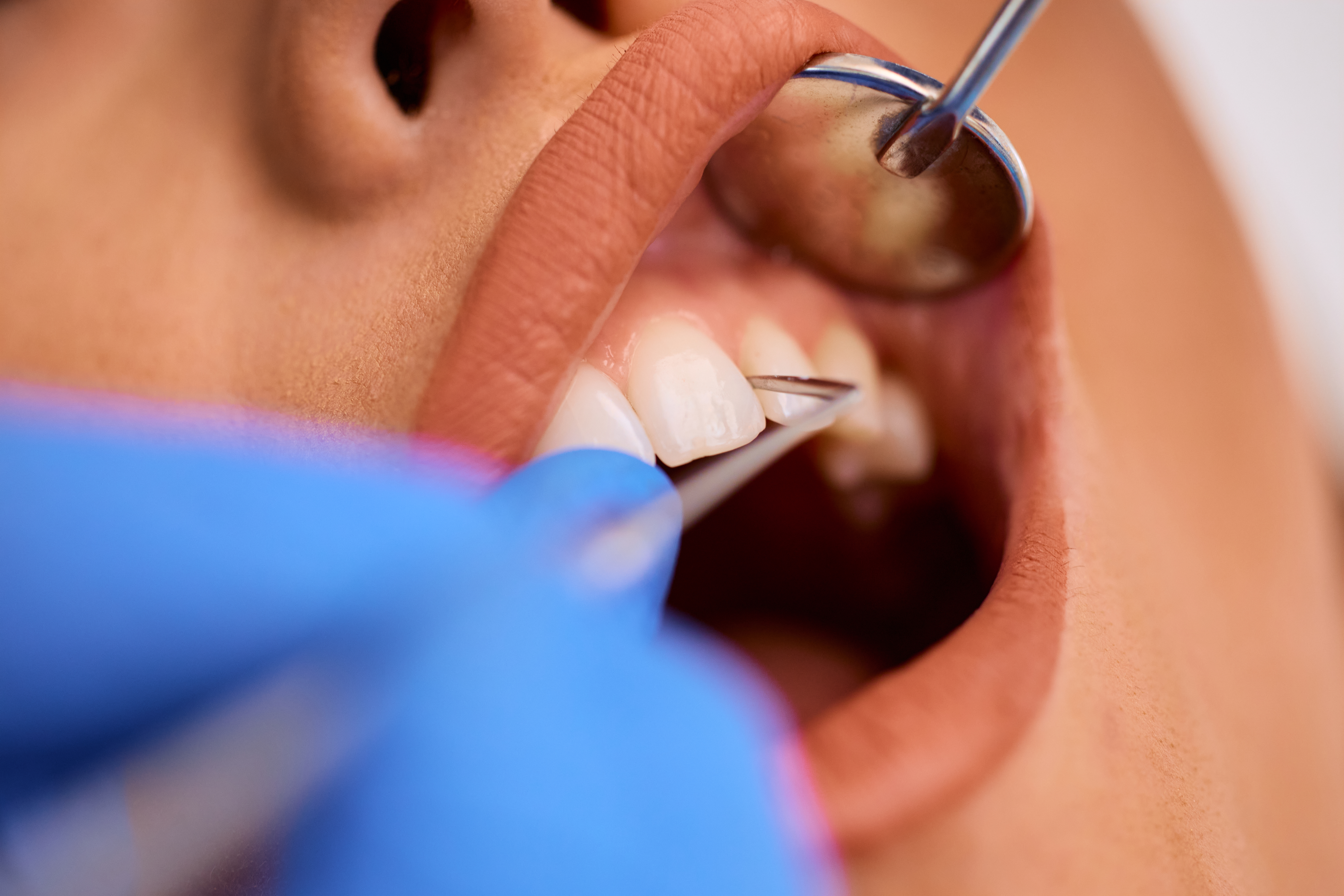
Dental bonding is a cosmetic procedure in which a tooth-colored composite resin is applied directly to the surface of a tooth, shaped, and hardened with a curing light. The result is a natural-looking restoration that blends seamlessly with surrounding teeth. It's used to repair chips, cracks, and discoloration, to close small gaps between teeth, and even to reshape teeth that are slightly too short or misaligned.
Compared to porcelain veneers or dental crowns, bonding is faster (often completed in a single appointment), requires little to no enamel removal, and costs significantly less. For patients who want a quick cosmetic fix without committing to an irreversible procedure, it's an easy choice.
Bonding vs. Veneers: A Quick Cost Comparison
To put dental bonding cost in perspective, consider that porcelain veneers typically run $900–$2,500 per tooth in 2026, while composite veneers land around $400–$900 per tooth. Dental bonding, by contrast, averages $200–$600 per tooth — sometimes less for simple repairs at a dental school clinic. If you need work done on multiple teeth, those savings add up fast.
Average Dental Bonding Cost in 2026
Nationally, the average cost of dental bonding per tooth in 2026 ranges from $200 to $600, with most patients paying around $300–$400 for a straightforward cosmetic repair. However, prices can climb to $800–$1,000 per tooth in high cost-of-living cities like New York, San Francisco, or Boston, where cosmetic dentistry practices cater to premium markets.
Here's a general breakdown by procedure type:
- Minor chip repair: $100–$300
- Cosmetic reshaping or contouring: $200–$500
- Gap closure (diastema bonding): $300–$600 per tooth
- Full cosmetic bonding (multiple teeth): $800–$3,000+ total
Keep in mind these are estimates. Your final quote will depend on the specific dentist, your location, the complexity of the case, and whether X-rays or other preparatory work are needed.
What's Typically Included in the Price?
A reputable cosmetic dentist should include the consultation, the composite resin material, the application and shaping process, and the curing and polishing in a single quoted fee. Watch out for practices that charge separately for the consultation, X-rays, or finishing polish — these add-ons can tack on an extra $75–$200 unexpectedly. Always ask for an itemized estimate upfront.
Key Factors That Affect the Cost of Dental Bonding
Not every bonding procedure is priced the same, and understanding what drives the cost up — or down — helps you shop smarter.
1. Number of Teeth Being Treated
The more teeth involved, the higher the total bill. Some dentists offer a slight per-tooth discount when bonding multiple teeth in one session, since setup time is shared. If you're considering a full smile makeover with bonding on six to eight front teeth, ask specifically whether a package rate is available.
2. Dentist Experience and Location
A highly experienced cosmetic dentist in a metropolitan area will charge more than a general dentist in a rural town offering bonding as a side service. That said, experience matters enormously with bonding — the shade matching, sculpting, and finishing work is as much art as science. Paying a modest premium for a skilled cosmetic specialist often means a result that lasts longer and looks far more natural.
3. Complexity of the Repair
A hairline chip on one front tooth is a quick fix. Severe discoloration, structural damage near the gumline, or teeth that require significant reshaping take more time and material, which raises the price. Some cases that initially seem like candidates for bonding may actually be better suited for a crown or veneer — your dentist should walk you through the options honestly.
Does Dental Insurance Cover Bonding?
This is where many patients get surprised. Most dental insurance plans classify bonding as a cosmetic procedure and therefore do not cover it. However, there is a meaningful exception: if the bonding is deemed medically necessary — for example, to repair a tooth broken in an accident or to restore a decayed tooth — your plan may cover a portion, typically 50–80% of the allowed amount after your deductible.
Before scheduling your appointment, call your insurance provider and ask specifically whether "composite resin restoration" (the clinical term) is covered for the tooth in question. The distinction between cosmetic and restorative bonding can save you hundreds of dollars.
Financing and Payment Options to Consider
If insurance won't help, you still have options. Many cosmetic dental practices offer in-house payment plans or partner with third-party financing services like CareCredit or Lending Club Patient Solutions, which offer promotional interest-free periods of 6–24 months. Dental schools affiliated with accredited universities are another excellent resource — treatment is performed by supervised dental students at 30–50% below market rates, often with no compromise on quality for routine procedures like bonding.
How Long Does Dental Bonding Last — and Is It Worth the Cost?
Dental bonding typically lasts 5–10 years with proper care before it needs touch-ups or replacement. Composite resin is not as durable as porcelain and is more susceptible to staining from coffee, tea, red wine, and tobacco. It can also chip if you bite your nails, chew ice, or grind your teeth.
That said, the cost-per-year value is compelling. At $350 per tooth lasting 7 years, you're investing roughly $50 per year for an improved smile — a figure that's hard to argue with. When properly placed and maintained, bonding offers an impressive return on a relatively modest investment.
Tips to Maximize the Lifespan of Your Bonding
- Avoid biting hard objects like pens, ice, or fingernails.
- Limit staining foods and drinks, or rinse with water immediately after consuming them.
- Use a non-abrasive toothpaste to avoid dulling the resin surface.
- Wear a night guard if you grind your teeth (bruxism can crack bonding quickly).
- Schedule regular professional cleanings — your dentist can polish bonding to restore its shine.
Frequently Asked Questions
How much does dental bonding cost per tooth on average?
In 2026, dental bonding costs between $200 and $600 per tooth on average across the United States. Simple chip repairs can fall as low as $100–$150 at dental schools, while complex cosmetic reshaping in major cities may exceed $800 per tooth.
Is dental bonding covered by insurance?
Usually not for purely cosmetic reasons. If bonding is used to restore a damaged or decayed tooth, your dental insurance may cover 50–80% of the cost. Contact your insurer in advance and ask about coverage for "composite resin restorations" to get a clear answer before your appointment.
How long does the dental bonding procedure take?
Most dental bonding appointments take 30 to 60 minutes per tooth. Unlike veneers, bonding requires no lab work and no second visit — the entire procedure is completed chairside in a single session, which is part of what keeps the cost lower.
Can dental bonding fix gaps between teeth?
Yes. Bonding is a popular, affordable solution for closing small gaps (diastema) between front teeth. The dentist adds composite resin to one or both sides of the gap to close it aesthetically. For larger gaps, Invisalign or orthodontic treatment may be recommended instead.
How do I find an affordable cosmetic dentist for bonding?
Start by comparing quotes from at least two or three cosmetic dentists in your area. Look for practices that offer free or low-cost consultations. Dental schools, community health centers, and directory sites that vet cosmetic dentists by patient reviews and credentials are all excellent starting points for finding quality care at a fair price.
Does dental bonding look natural?
When performed by a skilled cosmetic dentist, bonding looks remarkably natural. The composite resin is color-matched to your existing teeth and sculpted to mimic natural tooth shape. While it's not quite as lifelike as high-quality porcelain veneers under intense scrutiny, most people won't be able to tell the difference in everyday life.
Conclusion
Dental bonding remains one of the most cost-effective and versatile cosmetic dental treatments available in 2026. Whether you're fixing a single chipped tooth or refreshing your entire smile, understanding the full picture of dental bonding cost — including what drives prices up, what insurance may cover, and how to maximize the longevity of your results — puts you in a far stronger position as a patient. The key is finding a skilled, trustworthy cosmetic dentist who delivers quality work at a transparent price. Ready to take the next step? Visit Top5CosmeticDentist.com to compare top-rated cosmetic dentists in your area and find the right specialist for your smile goals and budget.